GameKit
Internal live-services SDK behind every studio Unity game: providers behind interfaces, an offline local provider, and editor tools that show live player data.
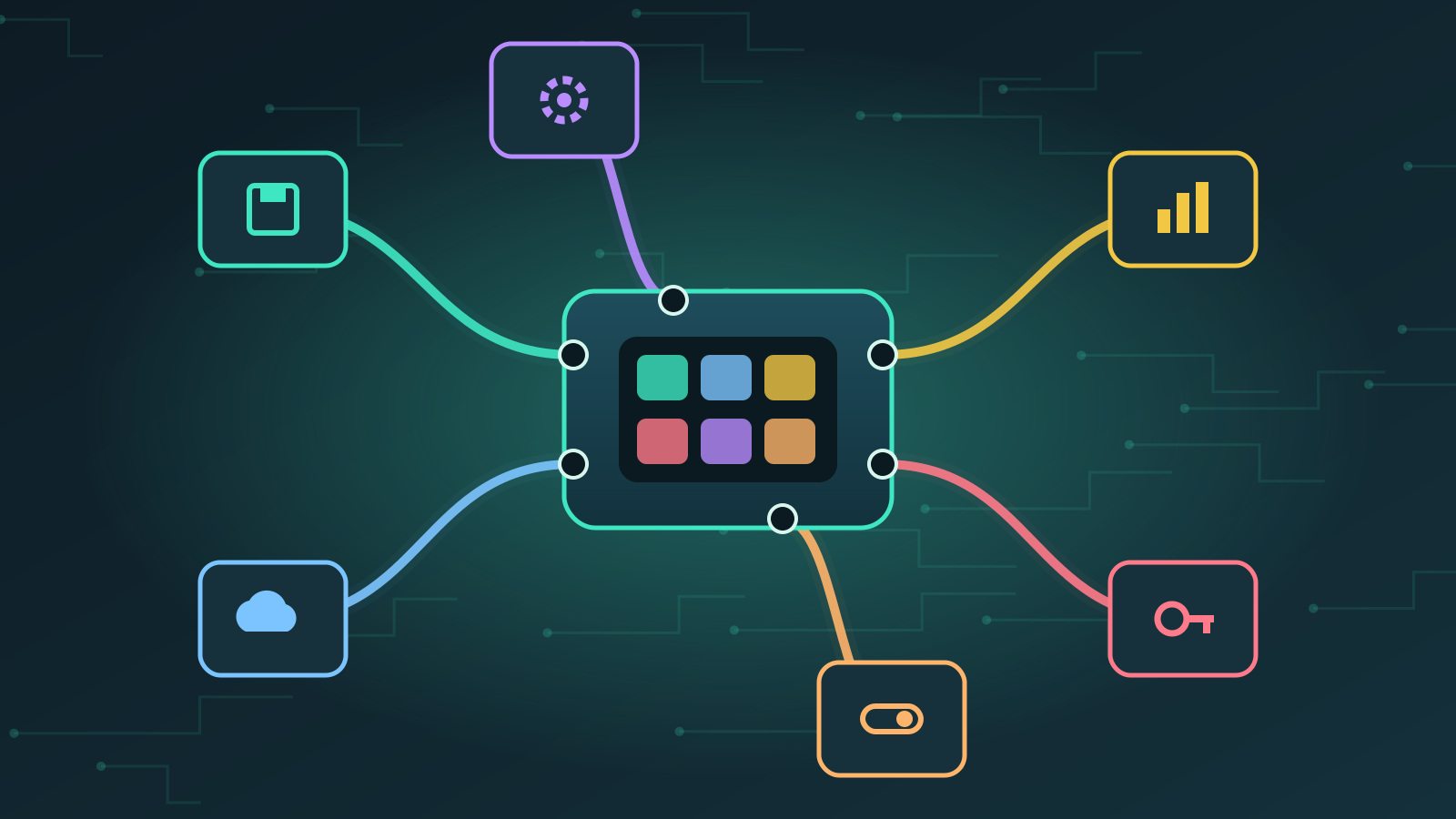
GameKit is the internal live-services SDK every Game Foundry Unity game is built on, now at v0.14. Games talk to interfaces, not vendors: a Unity Gaming Services provider and an offline local provider sit behind the same contracts, and conformance tests prove they can be swapped.
Live-services SDK and editor tooling shared by every studio Unity game.
Overview
Every Unity game the studio makes needs the same live services: login, saves, remote config, analytics. GameKit puts them behind one set of interfaces so a game never depends on a vendor directly.
Design
Each service is an interface with adapters behind it, and calls return a Result<T> instead of throwing. A Unity Gaming Services provider handles production; an offline local provider lets a game run and be tested with no backend at all. Conformance tests run the same suite against both, which is what proves they can be swapped. The decisions behind the design are written down in 13 architecture decision records.
Editor tools
Inside the Unity editor, UI Toolkit windows show the player’s state, override remote config, meter live service costs and stream analytics events as they fire.
One set of rules
A shared harness is generated into each game, so every studio game starts from, and keeps to, the same engineering rules.
What I owned
Architecture
- Interface-and-adapter design with a Result type for errors, so game code never handles a vendor exception.
- An offline local provider, plus conformance tests that prove providers can be swapped.
- A Unity Gaming Services provider.
- 13 architecture decision records.
Editor Tools
- UI Toolkit tools: a player-state viewer, remote config overrides, live cost meters and an analytics stream.
Engineering Rules
- A shared harness generated into each game, so every game follows the same engineering rules.